
Partner with ferry focused media.
Turn ferry search demand into booking intent. Ferrygogo helps travellers compare routes, understand ports, use ferry maps and move towards the right booking path across a growing network of ferry focused websites.
Not just a website, but a ferry travel network that reaches travellers before they decide.
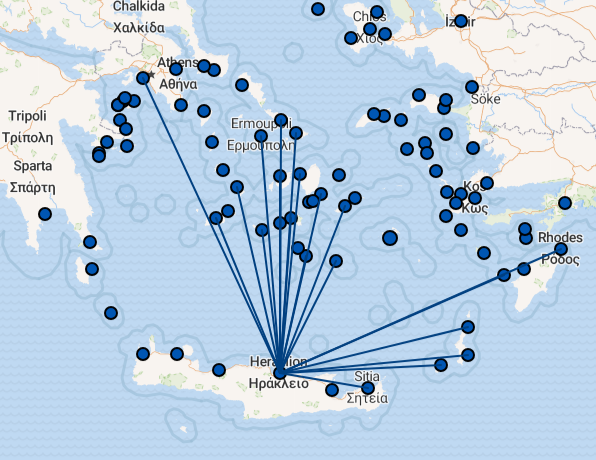
Our maps on Ferrygogo.com and Ferryroutes.com help travellers compare routes, ports and operators before booking.
Presence, Growth and Intelligence give partners a clear way to enter the network.
 Direct Ferries
 Ferryhopper
 Brittany Ferries
 Scandlines
 Baleària
Highlight your ferry route or service where travellers are already comparing options.
Ferrygogo can place routes, booking products, ports, ferry software and travel services inside a network built around ferry decisions.
Before travellers book, they need to understand the route.
Ferry travel is full of practical decisions. Travellers compare ports, operators, car rules, crossing times, seasonal schedules, island access and nearby alternatives before they choose. Ferrygogo is built around those questions.
A ferry travel ecosystem used by millions of travellers.
Ferrygogo reaches travellers at different stages of the journey, from early route discovery to final booking comparison. The network connects content, maps, tools and partner paths around how ferry travellers actually search.
Global ferry travel guidance for routes, operators, ports and booking options.
Map based ferry route discovery across countries, regions, islands and ports.
Weather context for ferry passengers, routes, sea areas and crossings.
Focused route information for one of Europe’s most important short sea crossings.
Channel travel context for users comparing ferry and tunnel options.

Practical tools around sea distance, ports, speed, routes and marine calculations.
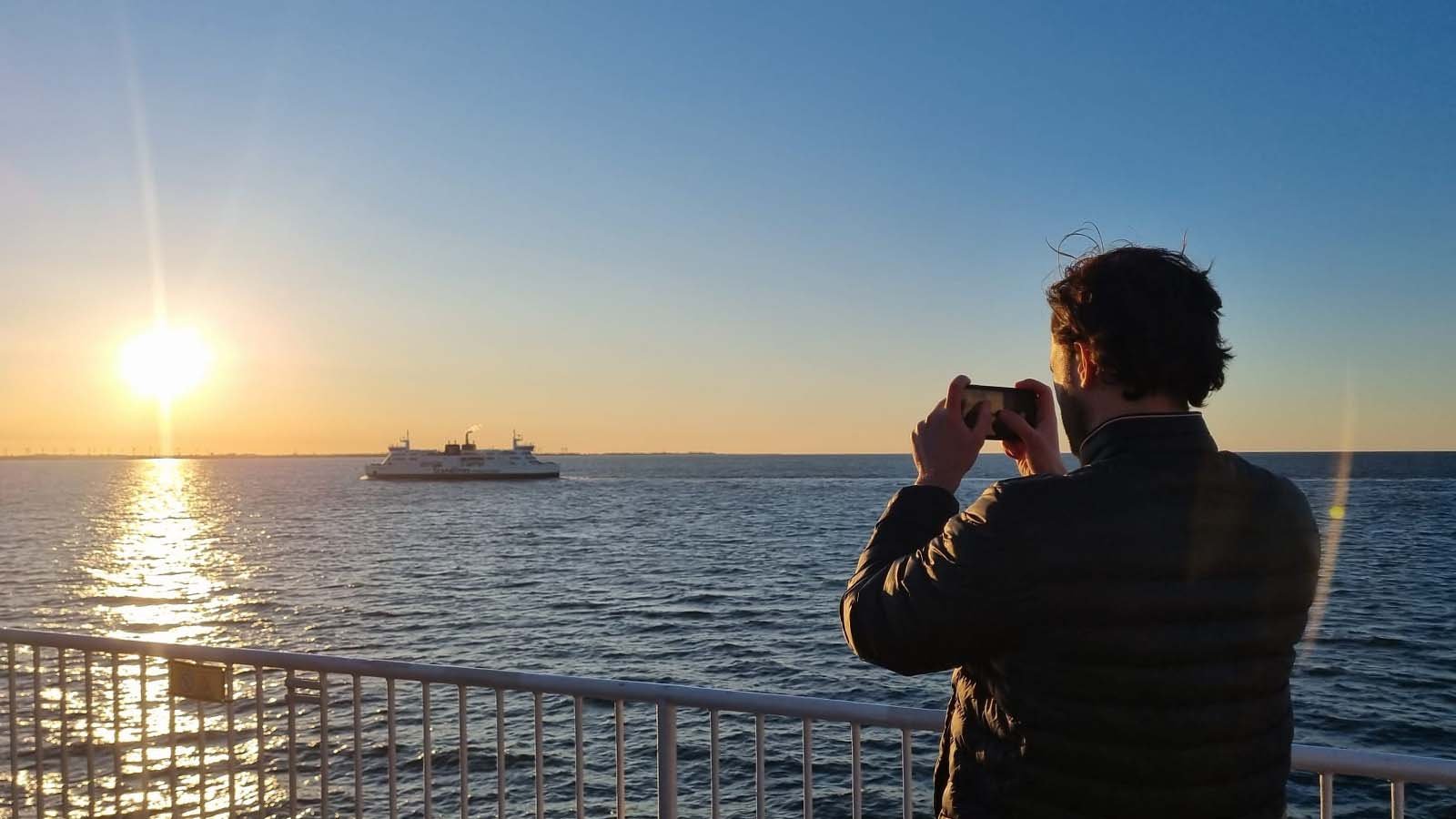
The only 100% focused ferry travel network online.
Ferry travellers do not only search for tickets. They compare routes, ports, timing, vehicles, pets, cabins and alternatives before they know what to book. Ferrygogo builds the best possible content and maps around those decisions.
That is the partner value. Your company appears inside a growing ferry network at the moment travellers are still choosing their route, operator or service.
Maps make ferry travel easier to understand.
Ferry travel is spatial. Travellers often need to see the route before they fully understand the choice. Ferrygogo uses ferry maps to show crossings, nearby alternatives, island connections and wider travel networks.
For partners, this changes the context. A route is no longer just a name in a list. It becomes part of a visible travel system.
Built by people who actually study ferry travel.
Ferrygogo B.V. combines digital travel products with real route knowledge. The network started from a simple problem: ferry travel was hard to understand on a map.

Jelle van der Bij
Jelle founded Ferrygogo after travelling around the world and running into a basic missing layer: there was no good overview of ferry routes on a map. That frustration became the starting point for a ferry network that makes routes easier to find, compare and understand.
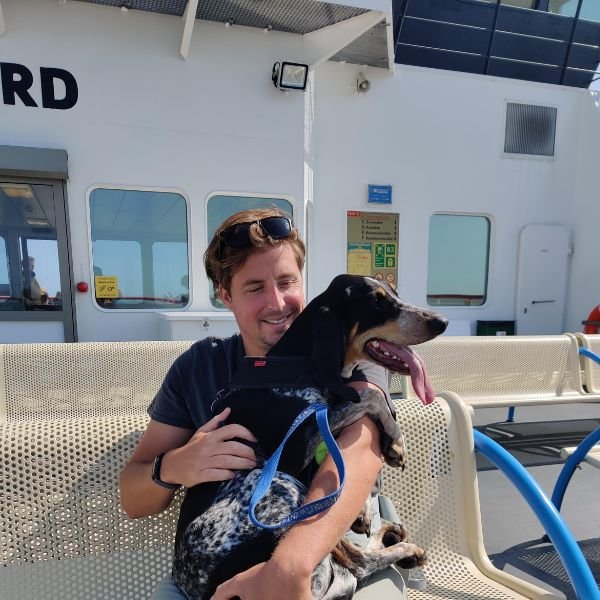
Jan Willem van Tilburg
Jan Willem researches ferry routes from the traveller’s point of view: ports, boarding, timing, alternatives and onward travel. That work helps turn route data into practical travel guidance.
View author bio Read the AD featureWe travel the routes, not just the data.
Ferry travel is more than the crossing.
It also includes the drive to the port, check-in, signage, waiting areas, boarding, arrival and onward travel. Those details often decide whether a trip feels clear or confusing.
That is why we travel these routes ourselves. In our ferry agenda, we list completed crossings, planned trips and travel reports that are already available to read.
Ferrygogo uses route research to keep its ferry knowledge practical, current and closer to the real passenger experience.
Made for travellers. Useful for partners.
Ferrygogo’s first job is to help the traveller. That is also why the network works for partners. When a user understands the route, port, operator and practical travel choice, the booking step becomes stronger.
Travellers get clarity
They can compare crossings, understand ports, read about operators and see where the route fits geographically.
Partners get better context
Routes, services and booking flows are introduced in a moment where the traveller is still deciding.
The network compounds
Maps, content, tools, route data and partner integrations reinforce each other across the wider ferry travel journey.